






































| Gene Symbol | FA2H |
| Entrez Gene ID | 710403 |
| Full Name | fatty acid 2-hydroxylase |
| Gene Type | protein-coding |
| Organism | Macaca mulatta(Rhesus monkey) |
- REAGENT SERVICES Hot!
-
PRODUCTS
-
 Most Popular Reagents
-
 Instruments
-
 Antibodies
-
ELISA Kits
-
 Protein Electrophoresis and Blotting
-
Protein and Antibody Purification
-
Recombinant Proteins
-
 Molecular Biology
-
 Stable Cell Lines
-
 Cell Isolation and Activation
-
 IVD Raw Materials
-
 Therapy Applications
-
 Resources
-
![AmMag™ Quatro Automated Plasmid Purification]() AmMag™ Quatro automated plasmid purification
AmMag™ Quatro automated plasmid purification
-
![Anti-Camelid VHH]() MonoRab™ Anti-VHH Antibodies
MonoRab™ Anti-VHH Antibodies
-
![ELISA Kits]() ELISA Kits
ELISA Kits
-
![Precast Gels]() SurePAGE™ Precast Gels
SurePAGE™ Precast Gels
-
![Quatro ProAb Automated Protein and Antibody Purification System]() AmMag™ Quatro ProAb Automated Protein and Antibody Purification System
AmMag™ Quatro ProAb Automated Protein and Antibody Purification System
-
![Target Proteins]() Target Proteins
Target Proteins
-
![AmMag™ Quatro Automated Plasmid Purification]() AmMag™ Quatro automated plasmid purification
AmMag™ Quatro automated plasmid purification
-
![Stable Cell Lines]() Stable Cell Lines
Stable Cell Lines
-
![Cell Isolation and Activation]() Cell Isolation and Activation
Cell Isolation and Activation
-
![Quick
Order]() Quick Order
Quick Order
-
![Quick
Order]() Quick Order
Quick Order
- APPLICATIONS
- RESOURCES
- ABOUT US
FA2H cDNA ORF clone, Macaca mulatta(Rhesus monkey)
-
Gene
-
Clones
gRNAs
The following FA2H gene cDNA ORF clone sequences were retrieved from the NCBI Reference Sequence Database (RefSeq). These sequences represent the protein coding region of the FA2H cDNA ORF which is encoded by the open reading frame (ORF) sequence. ORF sequences can be delivered in our standard vector, pcDNA3.1+/C-(K)DYK or the vector of your choice as an expression/transfection-ready ORF clone. Not the clone you want? Click here to find your clone.
-
Reference Sequences (Refseq)
CloneID OMb04410 Clone ID Related Accession (Same CDS sequence) NM_001194422.2 Accession Version NM_001194422.2 Latest version! Documents for ORF clone product in default vector Sequence Information ORF Nucleotide Sequence (Length: 1119bp)
Protein sequence
SNPVector pcDNA3.1-C-(k)DYK or customized vector  User Manual
Clone information Clone Map MSDSTag on pcDNA3.1+/C-(K)DYK C terminal DYKDDDDK tags ORF Insert Method CloneEZ™ Seamless cloning technology Insert Structure linear Update Date 1556380800000 Organism Macaca mulatta(Rhesus monkey) Product fatty acid 2-hydroxylase Comment Comment: PROVISIONAL REFSEQ: This record has not yet been subject to final NCBI review. The reference sequence was derived from JSUE03026625.1, JSUE03026624.1 and JSUE03026621.1. On Apr 1, 2016 this sequence version replaced NM_001194422.1. Sequence Note: The RefSeq transcript and protein were derived from genomic sequence to make the sequence consistent with the reference genome assembly. The genomic coordinates used for the transcript record were based on alignments. ##Evidence-Data-START## Transcript exon combination :: JU336356.1, JV723233.1 [ECO:0000332] RNAseq introns :: single sample supports all introns SAMEA4688352, SAMN01830804 [ECO:0000348] ##Evidence-Data-END##
1
61
121
181
241
301
361
421
481
541
601
661
721
781
841
901
961
1021
1081
ATGGCCCCCG CTCCGCCCCC CGCCGCCTCC TTCTCGCCCT CCGAGGTCCA GCGGCGCCTG
GCGGCCGGCG CATGCTGGGT CCGCCGCGGG GCCCGCCTCT ACGACCTCTC CAGCTTCGTG
CGGCACCACC CGGGGGGCGA GCAGCTGCTG CGGGCCAGGG CGGGCCAGGA CATCAGCGCC
GACCTGGACG GGCCGCCGCA CAGGCACTCG GCCAACGCGC GCCGCTGGTT GGAGCAGTAC
TACGTGGGAG AGCTGCGCGG GGAGCAGCAG GGCTCCATGG AAAACGAGGC TGTAGCCCTT
GAGGAGACTC AGAAGACAGA TCCTGCTATG GAACCACGGT TCAAAGTGGT GGATTGGGAC
AAGGACCTGG TGGACTGGCA AAAGCCTCTC CTGTGGCAGG TGGGCCACTT GGGAGAGAAG
TACGATGAGT GGGTTCACCA GCCGGTGACC AGGCCCATCC GCCTCTTCCA CTCAGACCTC
ATTGAGGGCC TCTCTAAGAC TGTCTGGTAC AGTGTCCCCA TCATCTGGGT GCCCCTGGTG
CTGTACCTCA GCTGGTCCTA CTACCGAACC TTTGCCCAGG GGAACGTCCG ACTCTTCACG
TCATTTACAA CAGAGTACGC GCTGGCAGTG CCCAAGTCCA TGTTCCCTGG GCTCTTCATG
CTGGGGATAT TCCTCTGGAG CCTCATCGAG TACCTCATCC ACCGCTTCCT GTTCCACATG
AAGCCCCCCA GCGACAGCTA TTACCTCATC ATGCTGCACT TCGTCATGCA TGGCCAGCAC
CACAAGGCAC CCTTCGACGG CTCCCGCCTG GTCTTCCCCC CTGTGCCAGC CTCCCTGGTG
ATCGGCGTCT TCTACTTGTG CCTGCAGCTC ATCCTGCCCG AGGCGGTGGG GGGCACTGTG
TTTGCGGGGG GCCTTCTGGG CTATGTCCTC TACGACATGA CCCATTACTA CCTGCACTTT
GGCTCGCCGC ACAGGGGCTC CTACCTGTAC AACCTGAAGG CCCACCACGT CAAGCACCAC
TTTGCACATC AGAAGTCAGG ATTTGGCATC AGCACTAAAT TGTGGGATTA CTGTTTCCAC
ACCCTCATTC CAGAGAAACC CCACCTGAAG ACGCAGTGAThe stop codons will be deleted if pcDNA3.1+/C-(K)DYK vector is selected.
RefSeq NP_001181351.1 CDS 78..1196 Translation 
Target ORF information:
RefSeq Version NM_001194422.2 Organism Macaca mulatta(Rhesus monkey) Definition Macaca mulatta fatty acid 2-hydroxylase (FA2H), mRNA. Target ORF information:
Epitope DYKDDDDK Bacterial selection AMPR Mammalian selection NeoR Vector pcDNA3.1+/C-(K)DYK 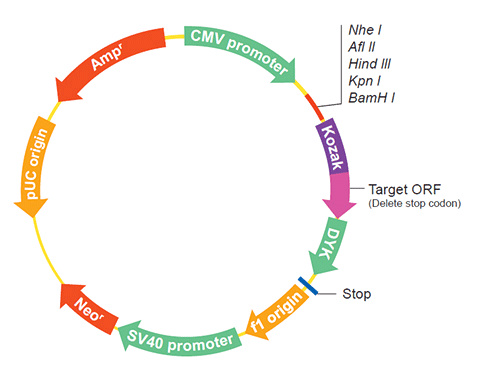 NM_001194422.2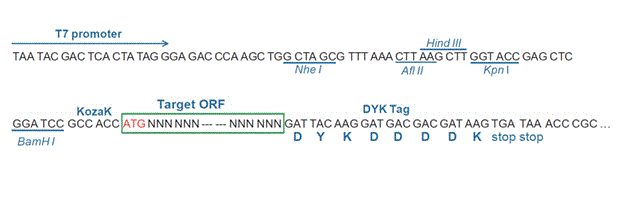
ORF Insert Sequence:
1
61
121
181
241
301
361
421
481
541
601
661
721
781
841
901
961
1021
1081
ATGGCCCCCG CTCCGCCCCC CGCCGCCTCC TTCTCGCCCT CCGAGGTCCA GCGGCGCCTG
GCGGCCGGCG CATGCTGGGT CCGCCGCGGG GCCCGCCTCT ACGACCTCTC CAGCTTCGTG
CGGCACCACC CGGGGGGCGA GCAGCTGCTG CGGGCCAGGG CGGGCCAGGA CATCAGCGCC
GACCTGGACG GGCCGCCGCA CAGGCACTCG GCCAACGCGC GCCGCTGGTT GGAGCAGTAC
TACGTGGGAG AGCTGCGCGG GGAGCAGCAG GGCTCCATGG AAAACGAGGC TGTAGCCCTT
GAGGAGACTC AGAAGACAGA TCCTGCTATG GAACCACGGT TCAAAGTGGT GGATTGGGAC
AAGGACCTGG TGGACTGGCA AAAGCCTCTC CTGTGGCAGG TGGGCCACTT GGGAGAGAAG
TACGATGAGT GGGTTCACCA GCCGGTGACC AGGCCCATCC GCCTCTTCCA CTCAGACCTC
ATTGAGGGCC TCTCTAAGAC TGTCTGGTAC AGTGTCCCCA TCATCTGGGT GCCCCTGGTG
CTGTACCTCA GCTGGTCCTA CTACCGAACC TTTGCCCAGG GGAACGTCCG ACTCTTCACG
TCATTTACAA CAGAGTACGC GCTGGCAGTG CCCAAGTCCA TGTTCCCTGG GCTCTTCATG
CTGGGGATAT TCCTCTGGAG CCTCATCGAG TACCTCATCC ACCGCTTCCT GTTCCACATG
AAGCCCCCCA GCGACAGCTA TTACCTCATC ATGCTGCACT TCGTCATGCA TGGCCAGCAC
CACAAGGCAC CCTTCGACGG CTCCCGCCTG GTCTTCCCCC CTGTGCCAGC CTCCCTGGTG
ATCGGCGTCT TCTACTTGTG CCTGCAGCTC ATCCTGCCCG AGGCGGTGGG GGGCACTGTG
TTTGCGGGGG GCCTTCTGGG CTATGTCCTC TACGACATGA CCCATTACTA CCTGCACTTT
GGCTCGCCGC ACAGGGGCTC CTACCTGTAC AACCTGAAGG CCCACCACGT CAAGCACCAC
TTTGCACATC AGAAGTCAGG ATTTGGCATC AGCACTAAAT TGTGGGATTA CTGTTTCCAC
ACCCTCATTC CAGAGAAACC CCACCTGAAG ACGCAGTGAThe stop codons will be deleted if pcDNA3.1+/C-(K)DYK vector is selected.
CloneID OMb94927 Clone ID Related Accession (Same CDS sequence) NM_001194422.3 Accession Version NM_001194422.3 Latest version! Documents for ORF clone product in default vector Sequence Information ORF Nucleotide Sequence (Length: 1119bp)
Protein sequence
SNPVector pcDNA3.1-C-(k)DYK or customized vector User ManualClone information Clone Map MSDSTag on pcDNA3.1+/C-(K)DYK C terminal DYKDDDDK tags ORF Insert Method CloneEZ™ Seamless cloning technology Insert Structure linear Update Date 1576512000000 Organism Macaca mulatta(Rhesus monkey) Product fatty acid 2-hydroxylase Comment Comment: PROVISIONAL REFSEQ: This record has not yet been subject to final NCBI review. The reference sequence was derived from QNVO02000291.1. On Dec 18, 2019 this sequence version replaced NM_001194422.2. Sequence Note: The RefSeq transcript and protein were derived from genomic sequence to make the sequence consistent with the reference genome assembly. The genomic coordinates used for the transcript record were based on alignments. ##Evidence-Data-START## Transcript exon combination :: SRR5038768.1076039.1, SRR5038768.857178.1 [ECO:0000332] RNAseq introns :: single sample supports all introns SAMEA4688352, SAMN01830804 [ECO:0000348] ##Evidence-Data-END##
1
61
121
181
241
301
361
421
481
541
601
661
721
781
841
901
961
1021
1081
ATGGCCCCCG CTCCGCCCCC CGCCGCCTCC TTCTCGCCCT CCGAGGTCCA GCGGCGCCTG
GCGGCCGGCG CATGCTGGGT CCGCCGCGGG GCCCGCCTCT ACGACCTCTC CAGCTTCGTG
CGGCACCACC CGGGGGGCGA GCAGCTGCTG CGGGCCAGGG CGGGCCAGGA CATCAGCGCC
GACCTGGACG GGCCGCCGCA CAGGCACTCG GCCAACGCGC GCCGCTGGTT GGAGCAGTAC
TACGTGGGAG AGCTGCGCGG GGAGCAGCAG GGCTCCATGG AGAACGAGGC TGTAGCCCTT
GAGGAGACTC AGAAGACAGA TCCTGCTATG GAACCATGGT TCAAAGTGGT GGATTGGGAC
AAGGACCTGG TGGACTGGCA AAAGCCTCTC CTGTGGCAGG TGGGCCACTT GGGAGAGAAG
TACGATGAGT GGGTTCACCA GCCGGTGACC AGGCCCATCC GCCTCTTCCA CTCAGACCTC
ATTGAGGGCC TCTCTAAGAC TGTCTGGTAC AGTGTCCCCA TCATCTGGGT GCCCCTGGTG
CTGTACCTCA GCTGGTCCTA CTACCGAACC TTTGCCCAGG GGAACGTCCG ACTCTTCACG
TCATTTACAA CAGAGTACGC GCTGGCAGTG CCCAAGTCCA TGTTCCCTGG GCTCTTCATG
CTGGGGATAT TCCTCTGGAG CCTCATCGAG TACCTCATCC ACCGCTTCCT GTTCCACATG
AAGCCCCCCA GCGACAGCTA TTACCTCATC ATGCTGCACT TCGTCATGCA TGGCCAGCAC
CACAAGGCAC CCTTCGACGG CTCCCGCCTG GTCTTCCCCC CTGTGCCAGC CTCCCTGGTG
ATCGGCGTCT TCTACTTGTG CCTGCAGCTC ATCCTGCCCG AGGCGGTGGG GGGCACTGTG
TTTGCGGGGG GCCTTCTGGG CTATGTCCTC TACGACATGA CCCATTACTA CCTGCACTTT
GGCTCGCCGC ACAGGGGCTC CTACCTGTAC AACCTGAAGG CCCACCACGT CAAGCACCAC
TTTGCACATC AGAAGTCAGG ATTTGGCATC AGCACTAAAT TGTGGGATTA CTGTTTCCAC
ACCCTCATTC CAGAGAAACC CCACCTGAAG ACGCAGTGAThe stop codons will be deleted if pcDNA3.1+/C-(K)DYK vector is selected.
RefSeq NP_001181351.2 CDS 78..1196 Translation
Target ORF information:
RefSeq Version NM_001194422.3 Organism Macaca mulatta(Rhesus monkey) Definition Macaca mulatta fatty acid 2-hydroxylase (FA2H), mRNA. Target ORF information:
Epitope DYKDDDDK Bacterial selection AMPR Mammalian selection NeoR Vector pcDNA3.1+/C-(K)DYK NM_001194422.3
ORF Insert Sequence:
1
61
121
181
241
301
361
421
481
541
601
661
721
781
841
901
961
1021
1081
ATGGCCCCCG CTCCGCCCCC CGCCGCCTCC TTCTCGCCCT CCGAGGTCCA GCGGCGCCTG
GCGGCCGGCG CATGCTGGGT CCGCCGCGGG GCCCGCCTCT ACGACCTCTC CAGCTTCGTG
CGGCACCACC CGGGGGGCGA GCAGCTGCTG CGGGCCAGGG CGGGCCAGGA CATCAGCGCC
GACCTGGACG GGCCGCCGCA CAGGCACTCG GCCAACGCGC GCCGCTGGTT GGAGCAGTAC
TACGTGGGAG AGCTGCGCGG GGAGCAGCAG GGCTCCATGG AGAACGAGGC TGTAGCCCTT
GAGGAGACTC AGAAGACAGA TCCTGCTATG GAACCATGGT TCAAAGTGGT GGATTGGGAC
AAGGACCTGG TGGACTGGCA AAAGCCTCTC CTGTGGCAGG TGGGCCACTT GGGAGAGAAG
TACGATGAGT GGGTTCACCA GCCGGTGACC AGGCCCATCC GCCTCTTCCA CTCAGACCTC
ATTGAGGGCC TCTCTAAGAC TGTCTGGTAC AGTGTCCCCA TCATCTGGGT GCCCCTGGTG
CTGTACCTCA GCTGGTCCTA CTACCGAACC TTTGCCCAGG GGAACGTCCG ACTCTTCACG
TCATTTACAA CAGAGTACGC GCTGGCAGTG CCCAAGTCCA TGTTCCCTGG GCTCTTCATG
CTGGGGATAT TCCTCTGGAG CCTCATCGAG TACCTCATCC ACCGCTTCCT GTTCCACATG
AAGCCCCCCA GCGACAGCTA TTACCTCATC ATGCTGCACT TCGTCATGCA TGGCCAGCAC
CACAAGGCAC CCTTCGACGG CTCCCGCCTG GTCTTCCCCC CTGTGCCAGC CTCCCTGGTG
ATCGGCGTCT TCTACTTGTG CCTGCAGCTC ATCCTGCCCG AGGCGGTGGG GGGCACTGTG
TTTGCGGGGG GCCTTCTGGG CTATGTCCTC TACGACATGA CCCATTACTA CCTGCACTTT
GGCTCGCCGC ACAGGGGCTC CTACCTGTAC AACCTGAAGG CCCACCACGT CAAGCACCAC
TTTGCACATC AGAAGTCAGG ATTTGGCATC AGCACTAAAT TGTGGGATTA CTGTTTCCAC
ACCCTCATTC CAGAGAAACC CCACCTGAAG ACGCAGTGAThe stop codons will be deleted if pcDNA3.1+/C-(K)DYK vector is selected.
-
PubMed
A new rhesus macaque assembly and annotation for next-generation sequencing analyses.
Biology direct9(1)20(2014 Oct)
Zimin AV,Cornish AS,Maudhoo MD,Gibbs RM,Zhang X,Pandey S,Meehan DT,Wipfler K,Bosinger SE,Johnson ZP,Tharp GK,Marçais G,Roberts M,Ferguson B,Fox HS,Treangen T,Salzberg SL,Yorke JA,Norgren RB Jr
-
-
Most Popular Services
-
Services & Products
-
News & Blogs
- Phase 1 and 2 Human Trials Reveal Safety and immunogenicity of the ChAdOx1 nCoV-19 Vaccine
- Jay Keasling- Synthetic Biology Solutions for Future Problems
- Multiplex Editing T Cells with BE and Cas12 | GenScript
- Predicting Patient Outcome to Cancer Treatments Using Organoids
- Scientists have identified genes and behaviors associated with education/weight increase life expectancy
- COVID-19 Pathogenesis: Uncovering New Molecular Mechanisms
- An improved phage display strategy for improving protein solubility
- Tackling Tumor Relapse with More Sensitive Engineered T Cells
-
-
-
PubMed
-


