- REAGENT SERVICES Hot!
-
PRODUCTS
-
 Most Popular Reagents
-
 Instruments
-
 Antibodies
-
ELISA Kits
-
 Protein Electrophoresis and Blotting
-
Protein and Antibody Purification
-
Recombinant Proteins
-
 Molecular Biology
-
 Stable Cell Lines
-
 Cell Isolation and Activation
-
 IVD Raw Materials
-
 Therapy Applications
-
 Resources
-
![AmMag™ Quatro Automated Plasmid Purification]() AmMag™ Quatro automated plasmid purification
AmMag™ Quatro automated plasmid purification
-
![Anti-Camelid VHH]() MonoRab™ Anti-VHH Antibodies
MonoRab™ Anti-VHH Antibodies
-
![ELISA Kits]() ELISA Kits
ELISA Kits
-
![Precast Gels]() SurePAGE™ Precast Gels
SurePAGE™ Precast Gels
-
![Quatro ProAb Automated Protein and Antibody Purification System]() AmMag™ Quatro ProAb Automated Protein and Antibody Purification System
AmMag™ Quatro ProAb Automated Protein and Antibody Purification System
-
![Target Proteins]() Target Proteins
Target Proteins
-
![AmMag™ Quatro Automated Plasmid Purification]() AmMag™ Quatro automated plasmid purification
AmMag™ Quatro automated plasmid purification
-
![Stable Cell Lines]() Stable Cell Lines
Stable Cell Lines
-
![Cell Isolation and Activation]() Cell Isolation and Activation
Cell Isolation and Activation
-
![Quick
Order]() Quick Order
Quick Order
-
![Quick
Order]() Quick Order
Quick Order
- APPLICATIONS
- RESOURCES
- ABOUT US


Improving Engineered T Cells by CRISPRing RASA2 Expression
Summary
An unbiased CRISPR-based genetic screen performed under immunosuppressive conditions enabled the identification of a new molecular mechanism limiting the anti-tumor potential of engineered T cells. In the new discovery platform established by the Marson laboratory, CRISPR-edited primary T cells were subjected to tumor-immunosuppressive-like conditions. RASA2 expression was identified as a critical factor impacting several T cell properties, such as antigen responsiveness, persistence, and cytotoxic function.
Background
The success of CAR T and TCR T cells as cancer therapies is limited by the immunosuppressive conditions often present within the solid tumor microenvironment. In this context, various molecular and cellular mechanisms contribute to the inhibition of T cells’ anti-tumor function, such as anti-inflammatory cytokines/chemokines (e.g., IL-2, IL-10, and TGF-beta), lymphoid and myeloid cells, including regulatory T (reg) cells, myeloid-derived suppressor cells (MDSCs), and tumor-associated macrophages M2-TAMs) (Marofi et al. 2021). Additionally, the activation of immune checkpoints by tumor and antigen-presenting cells has been implicated in inhibiting T cell function through CTLA-4 and PD-1 signaling. Together, these mechanisms prevent proper tumor infiltration and reduce the tumor-killing potential of engineered CAR or TCR T cells and consequently promote immune evasion. Therefore, it is imperative to identify molecules and signaling pathways that may be targeted to improve T cell anti-tumor functionality.
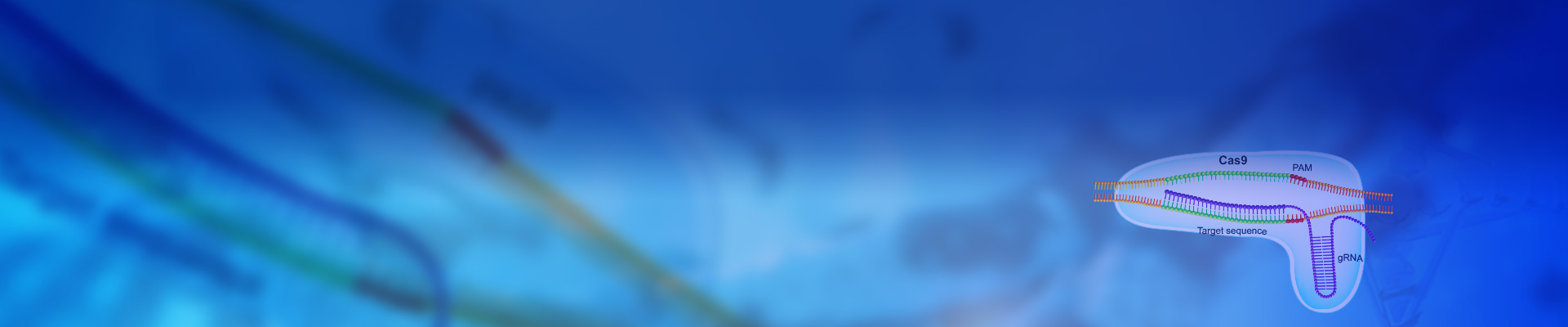
Leveraging CRISPR/Cas9 in an unbiased screening approach, Alexander Marson’s team at the Gladstone–UCSF Institute of Genomic Immunology has identified a critical target limiting T cell performance, RASA2, a RAS GTPase-activating protein (RasGAP). They found that eliminating RASA2 gene expression in T cells led to their improved antigen response, cytotoxic function, and persistence.
Experiment
A genome-wide CRISPR/Cas9-based screen was performed to identify new T cell modulators. CRISPR/Cas9 edited primary T cells were subjected to various inhibitory conditions, emulating those typically found within the tumor microenvironment in association with checkpoint signaling, cytokine inhibition, and cell-mediated suppression. T cells were sorted by flow cytometry to identify those proliferating (i.e., based on decreased carboxyfluorescein succinimidyl ester fluorescence), which enabled elucidating relevant genes across-screening conditions. Because reduced RASA2 gene expression benefited T cells under all suppressive conditions tested, Marson’s team evaluated RASA2 knockout T cells for their cancer-cell killing capacity in vitro and preclinical adoptive T cell transfer experiments. Additionally, the team assessed RASA2 knockout T cells for their antigen sensitivity and responses to repeated antigen exposure. Conversely, the impact of RASA2 overexpression on T cell activation and expansion was evaluated. For this, the team relied on a RASA2 ORF sequence (NM_001303246.2) provided by GenScript, which was cloned into a retroviral pSFG vector for transfection into mammalian cells and the production of viral particles.
Result
Previously the Marson lab had established that ablating RASA2 expression in T cells improves proliferation and cytotoxic cancer-cell killing in vitro. The current study shows that RASA2 ablation provides an advantage to T cells even under a variety of suppressive conditions.
In a preclinical melanoma model, adoptive transfer of RASA2-knockout T cells, engineered to target the NY-ESO-1 tumor antigen, were more effective at reducing tumor growth and extending survival than engineered anti-NY-ESO-1 T cells expressing RASA2 . Similarly, RASA2-knockout improved the anti-tumor activity of anti-CD19 TRAC CAR T cells over those expressing RASA2 in a preclinical leukemia model. Significantly, the team found that anti-CD19 TRAC CAR T cells missing RASA2 expression had a greater ability to expand and persist within the bone marrow while showing reduced expression of exhaustion markers when compared to RASA2 positive anti-CD19 TRAC CAR T cells.
Through the analysis of various RNA-seq databases, Marson’s team found that endogenous T cell RASA2 expression is sensitive to different stimuli. For instance, conditions of acute bacterial infection downregulate RASA2 expression, whereas persistent stimuli (i.e., chronic infection) increase RASA2 expression in T cells. Significantly, overexpression of RASA2 was shown to inhibit T cell activation and expansion. Thus, Marson’s team has identified a new molecular checkpoint that plays a critical role in shaping T cell immune responses. Furthermore, this new checkpoint may be leveraged to improve the anti-tumor activities of engineered CAR or TCR T cells while supporting their persistence.
Reference
[1] Carnevale, J. et al. RASA2 ablation in T cells boosts antigen sensitivity and long-term function. Nature (2022). https://doi.org/10.1038/s41586-022-05126-w
[2] Marofi, F., Motavalli, R., Safonov, V. A., Thangavelu, L., Yumashev, A. V., Alexander, M., Shomali, N., Chartrand, M. S., Pathak, Y., Jarahian, M., Izadi, S., Hassanzadeh, A., Shirafkan, N., Tahmasebi, S., & Khiavi, F. M. (2021). CAR T cells in solid tumors: challenges and opportunities. Stem Cell Research & Therapy 2021 12:1, 12(1), 1–16. https://doi.org/10.1186/S13287-020-02128-1
-