












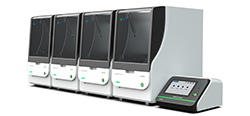

























| Gene Symbol | CD59 |
| Entrez Gene ID | 397347 |
| Full Name | CD59 molecule (CD59 blood group) |
| Gene Type | protein-coding |
| Organism | Sus scrofa(pig) |
- REAGENT SERVICES Hot!
-
PRODUCTS
-
 Most Popular Reagents
-
 Instruments
-
 Antibodies
-
ELISA Kits
-
 Protein Electrophoresis and Blotting
-
Protein and Antibody Purification
-
Recombinant Proteins
-
 Molecular Biology
-
 Stable Cell Lines
-
 Cell Isolation and Activation
-
 IVD Raw Materials
-
 Therapy Applications
-
 Resources
-
![AmMag™ Quatro Automated Plasmid Purification]() AmMag™ Quatro automated plasmid purification
AmMag™ Quatro automated plasmid purification
-
![Anti-Camelid VHH]() MonoRab™ Anti-VHH Antibodies
MonoRab™ Anti-VHH Antibodies
-
![ELISA Kits]() ELISA Kits
ELISA Kits
-
![Precast Gels]() SurePAGE™ Precast Gels
SurePAGE™ Precast Gels
-
![Quatro ProAb Automated Protein and Antibody Purification System]() AmMag™ Quatro ProAb Automated Protein and Antibody Purification System
AmMag™ Quatro ProAb Automated Protein and Antibody Purification System
-
![Target Proteins]() Target Proteins
Target Proteins
-
![AmMag™ Quatro Automated Plasmid Purification]() AmMag™ Quatro automated plasmid purification
AmMag™ Quatro automated plasmid purification
-
![Stable Cell Lines]() Stable Cell Lines
Stable Cell Lines
-
![Cell Isolation and Activation]() Cell Isolation and Activation
Cell Isolation and Activation
-
![Quick
Order]() Quick Order
Quick Order
-
![Quick
Order]() Quick Order
Quick Order
- APPLICATIONS
- RESOURCES
- ABOUT US
CD59 cDNA ORF clone, Sus scrofa(pig)
-
Gene
-
Clones
gRNAs
The following CD59 gene cDNA ORF clone sequences were retrieved from the NCBI Reference Sequence Database (RefSeq). These sequences represent the protein coding region of the CD59 cDNA ORF which is encoded by the open reading frame (ORF) sequence. ORF sequences can be delivered in our standard vector, pcDNA3.1+/C-(K)DYK or the vector of your choice as an expression/transfection-ready ORF clone. Not the clone you want? Click here to find your clone.
-
Reference Sequences (Refseq)
CloneID OSe30448 Clone ID Related Accession (Same CDS sequence) NM_214170.1 Accession Version NM_214170.1 Latest version! Documents for ORF clone product in default vector Sequence Information ORF Nucleotide Sequence (Length: 372bp)
Protein sequence
SNPVector pcDNA3.1-C-(k)DYK or customized vector  User Manual
Clone information Clone Map MSDSTag on pcDNA3.1+/C-(K)DYK C terminal DYKDDDDK tags ORF Insert Method CloneEZ™ Seamless cloning technology Insert Structure linear Update Date 1571328000000 Organism Sus scrofa(pig) Product CD59 glycoprotein precursor Comment Comment: PROVISIONAL REFSEQ: This record has not yet been subject to final NCBI review. The reference sequence was derived from AF020302.1. ##Evidence-Data-START## Transcript exon combination :: AF020302.1, DB804577.1 [ECO:0000332] RNAseq introns :: single sample supports all introns SAMN02584789 [ECO:0000348] ##Evidence-Data-END##
1
61
121
181
241
301
361
ATGGGAAGCA AAGGAGGGTT CATTTTGCTC TGGCTCCTGT CCATCCTGGC TGTTCTCTGC
CACTTAGGTC ACAGCCTGCA GTGCTATAAC TGTATCAACC CAGCTGGTAG CTGCACTACG
GCCATGAATT GTTCACATAA TCAGGATGCC TGTATCTTCG TTGAAGCCGT GCCACCCAAA
ACTTACTACC AGTGTTGGAG GTTCGATGAA TGCAATTTCG ATTTCATTTC GAGAAACCTA
GCGGAGAAGA AGCTGAAGTA CAACTGCTGC CGGAAGGACC TGTGTAACAA GAGTGATGCC
ACGATTTCAT CAGGGAAAAC CGCTCTGCTG GTGATCCTGC TGCTGGTAGC AACCTGGCAC
TTTTGTCTCT AAThe stop codons will be deleted if pcDNA3.1+/C-(K)DYK vector is selected.
RefSeq NP_999335.1 CDS 90..461 Translation 
Target ORF information:
RefSeq Version NM_214170.1 Organism Sus scrofa(pig) Definition Sus scrofa CD59 molecule (CD59 blood group) (CD59), mRNA. Target ORF information:
Epitope DYKDDDDK Bacterial selection AMPR Mammalian selection NeoR Vector pcDNA3.1+/C-(K)DYK 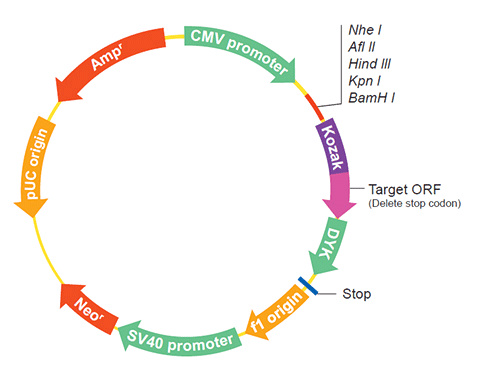 NM_214170.1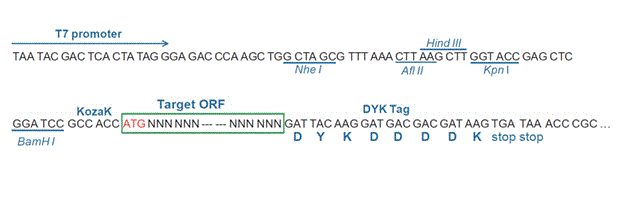
ORF Insert Sequence:
1
61
121
181
241
301
361
ATGGGAAGCA AAGGAGGGTT CATTTTGCTC TGGCTCCTGT CCATCCTGGC TGTTCTCTGC
CACTTAGGTC ACAGCCTGCA GTGCTATAAC TGTATCAACC CAGCTGGTAG CTGCACTACG
GCCATGAATT GTTCACATAA TCAGGATGCC TGTATCTTCG TTGAAGCCGT GCCACCCAAA
ACTTACTACC AGTGTTGGAG GTTCGATGAA TGCAATTTCG ATTTCATTTC GAGAAACCTA
GCGGAGAAGA AGCTGAAGTA CAACTGCTGC CGGAAGGACC TGTGTAACAA GAGTGATGCC
ACGATTTCAT CAGGGAAAAC CGCTCTGCTG GTGATCCTGC TGCTGGTAGC AACCTGGCAC
TTTTGTCTCT AAThe stop codons will be deleted if pcDNA3.1+/C-(K)DYK vector is selected.
CloneID OSe04519 Clone ID Related Accession (Same CDS sequence) XM_005661031.2 , XM_005661031.3 Accession Version XM_005661031.2 Documents for ORF clone product in default vector Sequence Information ORF Nucleotide Sequence (Length: 372bp)
Protein sequence
SNPVector pcDNA3.1-C-(k)DYK or customized vector User ManualClone information Clone Map MSDSTag on pcDNA3.1+/C-(K)DYK C terminal DYKDDDDK tags ORF Insert Method CloneEZ™ Seamless cloning technology Insert Structure linear Update Date 1441814400000 Organism Sus scrofa(Pig) Product CD59 glycoprotein isoform X1 Comment MODEL REFSEQ: This record is predicted by automated computational analysis. This record is derived from a genomic sequence (NW_003609551.1) annotated using gene prediction method: Gnomon, supported by mRNA and EST evidence. Also see: Documentation of NCBI's Annotation Process On Sep 11, 2015 this sequence version replaced XM_005661031.1. ##Genome-Annotation-Data-START## Annotation Provider :: NCBI Annotation Status :: Full annotation Annotation Version :: Sus scrofa Annotation Release 105 Annotation Pipeline :: NCBI eukaryotic genome annotation pipeline Annotation Software Version :: 6.4 Annotation Method :: Best-placed RefSeq; Gnomon Features Annotated :: Gene; mRNA; CDS; ncRNA ##Genome-Annotation-Data-END##
1
61
121
181
241
301
361
ATGGGAAGCA AAGGAGGGTT CATTTTGCTC TGGCTCCTGT CCATCCTGGC TGTTCTCTGC
CACTTAGGTC ACAGCCTGCA GTGCTATAAC TGTATCAACC CAGCTGGTAG CTGCACTACG
GCCATGAATT GTTCACATAA TCAGGATGCC TGTATCTTCG TTGAAGCCGT GCCACCCAAA
ACTTACTACC AGTGTTGGAG GTTCGATGAA TGCAATTTTG ATTTCATTTC GAGAAACCTA
GCGGAGAAGA AGCTGAAGTA CAACTGCTGC CGGAAGGACC TGTGTAACAA GAGTGATGCC
ACGATTTCAT CAGGGAAAAC CGCTCTGCTG GTGATCCTGC TGCTGGTAGC AACCTGGCAC
TTTTGTCTCT AAThe stop codons will be deleted if pcDNA3.1+/C-(K)DYK vector is selected.
RefSeq XP_005661088.1 CDS 217..588 Translation
Target ORF information:
RefSeq Version XM_005661031.2 Organism Sus scrofa(Pig) Definition Sus scrofa CD59 molecule, complement regulatory protein (CD59), transcript variant X1, mRNA. Target ORF information:
Epitope DYKDDDDK Bacterial selection AMPR Mammalian selection NeoR Vector pcDNA3.1+/C-(K)DYK XM_005661031.2
ORF Insert Sequence:
1
61
121
181
241
301
361
ATGGGAAGCA AAGGAGGGTT CATTTTGCTC TGGCTCCTGT CCATCCTGGC TGTTCTCTGC
CACTTAGGTC ACAGCCTGCA GTGCTATAAC TGTATCAACC CAGCTGGTAG CTGCACTACG
GCCATGAATT GTTCACATAA TCAGGATGCC TGTATCTTCG TTGAAGCCGT GCCACCCAAA
ACTTACTACC AGTGTTGGAG GTTCGATGAA TGCAATTTTG ATTTCATTTC GAGAAACCTA
GCGGAGAAGA AGCTGAAGTA CAACTGCTGC CGGAAGGACC TGTGTAACAA GAGTGATGCC
ACGATTTCAT CAGGGAAAAC CGCTCTGCTG GTGATCCTGC TGCTGGTAGC AACCTGGCAC
TTTTGTCTCT AAThe stop codons will be deleted if pcDNA3.1+/C-(K)DYK vector is selected.
CloneID OSe04519 Clone ID Related Accession (Same CDS sequence) XM_005661031.2 , XM_005661031.3 Accession Version XM_005661031.3 Latest version! Documents for ORF clone product in default vector Sequence Information ORF Nucleotide Sequence (Length: 372bp)
Protein sequence
SNPVector pcDNA3.1-C-(k)DYK or customized vector User ManualClone information Clone Map MSDSTag on pcDNA3.1+/C-(K)DYK C terminal DYKDDDDK tags ORF Insert Method CloneEZ™ Seamless cloning technology Insert Structure linear Update Date 1494518400000 Organism Sus scrofa(pig) Product CD59 glycoprotein isoform X1 Comment Comment: MODEL REFSEQ: This record is predicted by automated computational analysis. This record is derived from a genomic sequence (NC_010444.4) annotated using gene prediction method: Gnomon, supported by mRNA and EST evidence. Also see: Documentation of NCBI's Annotation Process On May 13, 2017 this sequence version replaced XM_005661031.2. ##Genome-Annotation-Data-START## Annotation Provider :: NCBI Annotation Status :: Full annotation Annotation Version :: Sus scrofa Annotation Release 106 Annotation Pipeline :: NCBI eukaryotic genome annotation pipeline Annotation Software Version :: 7.4 Annotation Method :: Best-placed RefSeq; Gnomon Features Annotated :: Gene; mRNA; CDS; ncRNA ##Genome-Annotation-Data-END##
1
61
121
181
241
301
361
ATGGGAAGCA AAGGAGGGTT CATTTTGCTC TGGCTCCTGT CCATCCTGGC TGTTCTCTGC
CACTTAGGTC ACAGCCTGCA GTGCTATAAC TGTATCAACC CAGCTGGTAG CTGCACTACG
GCCATGAATT GTTCACATAA TCAGGATGCC TGTATCTTCG TTGAAGCCGT GCCACCCAAA
ACTTACTACC AGTGTTGGAG GTTCGATGAA TGCAATTTTG ATTTCATTTC GAGAAACCTA
GCGGAGAAGA AGCTGAAGTA CAACTGCTGC CGGAAGGACC TGTGTAACAA GAGTGATGCC
ACGATTTCAT CAGGGAAAAC CGCTCTGCTG GTGATCCTGC TGCTGGTAGC AACCTGGCAC
TTTTGTCTCT AAThe stop codons will be deleted if pcDNA3.1+/C-(K)DYK vector is selected.
RefSeq XP_005661088.1 CDS 238..609 Translation
Target ORF information:
RefSeq Version XM_005661031.3 Organism Sus scrofa(pig) Definition Sus scrofa CD59 molecule (CD59 blood group) (CD59), transcript variant X1, mRNA. Target ORF information:
Epitope DYKDDDDK Bacterial selection AMPR Mammalian selection NeoR Vector pcDNA3.1+/C-(K)DYK XM_005661031.3
ORF Insert Sequence:
1
61
121
181
241
301
361
ATGGGAAGCA AAGGAGGGTT CATTTTGCTC TGGCTCCTGT CCATCCTGGC TGTTCTCTGC
CACTTAGGTC ACAGCCTGCA GTGCTATAAC TGTATCAACC CAGCTGGTAG CTGCACTACG
GCCATGAATT GTTCACATAA TCAGGATGCC TGTATCTTCG TTGAAGCCGT GCCACCCAAA
ACTTACTACC AGTGTTGGAG GTTCGATGAA TGCAATTTTG ATTTCATTTC GAGAAACCTA
GCGGAGAAGA AGCTGAAGTA CAACTGCTGC CGGAAGGACC TGTGTAACAA GAGTGATGCC
ACGATTTCAT CAGGGAAAAC CGCTCTGCTG GTGATCCTGC TGCTGGTAGC AACCTGGCAC
TTTTGTCTCT AAThe stop codons will be deleted if pcDNA3.1+/C-(K)DYK vector is selected.
-
PubMed
Resistance of neonatal porcine Sertoli cells to human xenoantibody and complement-mediated lysis is associated with low expression of alpha-Gal and high production of clusterin and CD59.
Xenotransplantation17(3)215-23(2010 May-Jun)
Yin Z,Wang L,Xiang Y,Ruan Y,Li J,Wang X,Ichim TE,Chen S,Chen G
IL-4 and IL-13 induce protection of porcine endothelial cells from killing by human complement and from apoptosis through activation of a phosphatidylinositide 3-kinase/Akt pathway.
Journal of immunology (Baltimore, Md. : 1950)175(3)1903-10(2005 Aug)
Grehan JF,Levay-Young BK,Fogelson JL,François-Bongarçon V,Benson BA,Dalmasso AP
PEDE (Pig EST Data Explorer): construction of a database for ESTs derived from porcine full-length cDNA libraries.
Nucleic acids research32(Database issue)D484-8(2004 Jan)
Uenishi H,Eguchi T,Suzuki K,Sawazaki T,Toki D,Shinkai H,Okumura N,Hamasima N,Awata T
Structure/function characterization of porcine CD59: expression, chromosomal mapping, complement-inhibition, and costimulatory activity.
Transplantation66(8)1094-100(1998 Oct)
Maher SE,Pflugh DL,Larsen NJ,Rothschild MF,Bothwell AL
Molecular cloning and functional characterization of the pig analogue of CD59: relevance to xenotransplantation.
Journal of immunology (Baltimore, Md. : 1950)160(8)3924-32(1998 Apr)
Hinchliffe SJ,Rushmere NK,Hanna SM,Morgan BP
-
-
Most Popular Services
-
Services & Products
-
News & Blogs
- A new approach for treating your allergies to dogs or cats
- Cerebral Organoids Provide a Platform to Screen Alzheimer’s Drugs
- Scientists Discover How Odors are Turned Into Long Term Memories
- Enabling Non-Viral T Cell Engineering with ssDNA HDR Templates
- Tips for Improving the Efficiency of CRISPR mediated Knock-in
- A Novel Peptide-siRNA Nanocomplex in Treating Osteoarthritis
- New Study Shows that Skipping Breakfast Could Lead to Long Term Health Issues
- An Inhalable Protection from SARS-CoV-2 Infection
-
-
-
PubMed
-


