





































| Gene Symbol | PKM |
| Entrez Gene ID | 100008676 |
| Full Name | pyruvate kinase M1/2 |
| Synonyms | PKM2 |
| Gene Type | protein-coding |
| Organism | Oryctolagus cuniculus(rabbit) |
- REAGENT SERVICES Hot!
-
PRODUCTS
-
 Most Popular Reagents
-
 Instruments
-
 Antibodies
-
ELISA Kits
-
 Protein Electrophoresis and Blotting
-
Protein and Antibody Purification
-
Recombinant Proteins
-
 Molecular Biology
-
 Stable Cell Lines
-
 Cell Isolation and Activation
-
 IVD Raw Materials
-
 Therapy Applications
-
 Resources
-
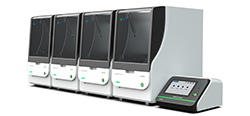
![AmMag™ Quatro Automated Plasmid Purification]() AmMag™ Quatro automated plasmid purification
AmMag™ Quatro automated plasmid purification
-
![Anti-Camelid VHH]() MonoRab™ Anti-VHH Antibodies
MonoRab™ Anti-VHH Antibodies
-
![ELISA Kits]() ELISA Kits
ELISA Kits
-
![Precast Gels]() SurePAGE™ Precast Gels
SurePAGE™ Precast Gels
-
![Quatro ProAb Automated Protein and Antibody Purification System]() AmMag™ Quatro ProAb Automated Protein and Antibody Purification System
AmMag™ Quatro ProAb Automated Protein and Antibody Purification System
-
![Target Proteins]() Target Proteins
Target Proteins
-
![AmMag™ Quatro Automated Plasmid Purification]() AmMag™ Quatro automated plasmid purification
AmMag™ Quatro automated plasmid purification
-
![Stable Cell Lines]() Stable Cell Lines
Stable Cell Lines
-
![Cell Isolation and Activation]() Cell Isolation and Activation
Cell Isolation and Activation
-
![Quick
Order]() Quick Order
Quick Order
-
![Quick
Order]() Quick Order
Quick Order
- APPLICATIONS
- RESOURCES
- ABOUT US
PKM cDNA ORF clone, Oryctolagus cuniculus(rabbit)
-
Gene
-
Clones
gRNAs
The following PKM gene cDNA ORF clone sequences were retrieved from the NCBI Reference Sequence Database (RefSeq). These sequences represent the protein coding region of the PKM cDNA ORF which is encoded by the open reading frame (ORF) sequence. ORF sequences can be delivered in our standard vector, pcDNA3.1+/C-(K)DYK or the vector of your choice as an expression/transfection-ready ORF clone. Not the clone you want? Click here to find your clone.
-
Reference Sequences (Refseq)
CloneID OOb00318 Clone ID Related Accession (Same CDS sequence) NM_001195644.1 Accession Version NM_001195644.1 Latest version! Documents for ORF clone product in default vector Sequence Information ORF Nucleotide Sequence (Length: 1596bp)
Protein sequence
SNPVector pcDNA3.1-C-(k)DYK or customized vector  User Manual
Clone information Clone Map MSDSTag on pcDNA3.1+/C-(K)DYK C terminal DYKDDDDK tags ORF Insert Method CloneEZ™ Seamless cloning technology Insert Structure linear Update Date 1568908800000 Organism Oryctolagus cuniculus(rabbit) Product pyruvate kinase PKM isoform 1 Comment Comment: VALIDATED REFSEQ: This record has undergone validation or preliminary review. The reference sequence was derived from AAGW02071942.1 and U44751.1. On Sep 23, 2010 this sequence version replaced XM_002717702.2. Transcript Variant: This variant (1) uses an alternate in-frame exon in the 3' coding region compared to variant 2. The resulting protein (isoform 1) has a different internal segment but is the same length as isoform 2. Publication Note: This RefSeq record includes a subset of the publications that are available for this gene. Please see the Gene record to access additional publications. ##Evidence-Data-START## Transcript exon combination :: U44751.1, GBCA01044233.1 [ECO:0000332] RNAseq introns :: mixed/partial sample support SAMEA1876818, SAMEA1876819 [ECO:0000350] ##Evidence-Data-END## ##RefSeq-Attributes-START## gene product(s) localized to mito. :: inferred from homology ##RefSeq-Attributes-END##
1
61
121
181
241
301
361
421
481
541
601
661
721
781
841
901
961
1021
1081
1141
1201
1261
1321
1381
1441
1501
1561
ATGTCGAAGT CCCACAGTGA AGCCGGGTCT GCCTTCATCC AGACGCAGCA GCTGCACGCA
GCCATGGCGG ACACATTCCT GGAGCACATG TGCCGGCTGG ACATCGACTC CGCGCCCATC
ACGGCCCGCA ACACGGGCAT CATCTGTACC ATCGGCCCTG CCTCCCGATC GGTGGAGACG
CTGAAGGAGA TGATCAAGTC TGGGATGAAC GTGGCGCGCA TGAACTTCTC CCACGGAACT
CACGAGTACC ATGCGGAGAC CATCAAGAAC GTGCGCACAG CCACGGAAAG CTTTGCCTCA
GACCCCATCC TCTACCGGCC CGTCGCGGTG GCTCTGGACA CTAAGGGACC CGAGATCCGA
ACGGGGCTCA TCAAGGGCAG CGGCACGGCG GAGGTGGAGC TGAAGAAGGG AGCCACGCTC
AAGATCACGC TGGACAACGC CTACATGGAG AAGTGCGACG AGAACATCCT GTGGCTGGAC
TACAAGAACA TTTGCAAGGT GGTGGACGTG GGCAGCAAGG TCTACGTGGA CGACGGCCTC
ATCTCCCTGC AGGTGAAGCA GAAAGGTCCT GACTTCCTGG TGACGGAGGT GGAGAACGGT
GGCTTCTTGG GCAGCAAGAA GGGCGTGAAC CTCCCCGGGG CTGCGGTGGA CCTGCCTGCC
GTGTCCGAGA AGGACATCCA GGATCTGAAG TTCGGCGTGG AGCAGGACGT GGACATGGTG
TTTGCCTCTT TCATCCGCAA GGCGGCTGAC GTCCATGAGG TCAGGAAGAT CCTGGGAGAG
AAAGGGAAGA ACATCAAGAT CATCAGCAAA ATTGAGAACC ACGAGGGGGT GCGCAGGTTT
GATGAGATCC TGGAGGCCAG CGACGGGATC ATGGTGGCTC GTGGTGATCT TGGCATTGAG
ATTCCTGCAG AGAAGGTCTT CCTTGCCCAG AAGATGATAA TTGGGCGATG CAACCGTGCT
GGGAAGCCTG TCATCTGTGC CACGCAGATG CTGGAGAGCA TGATCAAGAA GCCCCGCCCC
ACCCGCGCCG AGGGCAGTGA CGTGGCCAAC GCGGTCCTGG ATGGAGCCGA CTGCATCATG
CTGTCTGGAG AGACGGCCAA GGGCGACTAC CCGCTGGAGG CCGTCCGCAT GCAGCACCTG
ATAGCTCGCG AGGCTGAGGC AGCCATGTTC CACCGCAAGC TGTTCGAAGA ACTTGCGCGA
GCCTCCAGTC ACTCCACAGA CCTCATGGAG GCCATGGCCA TGGGCAGCGT GGAGGCTTCC
TATAAGTGTT TAGCGGCAGC TTTGATAGTT CTGACGGAGT CTGGCAGGTC TGCTCACCAA
GTGGCCCGGT ACCGCCCGCG CGCCCCCATC ATTGCCGTGA CACGGAACCA CCAGACCGCC
CGCCAGGCCC ACCTGTACCG TGGGATCTTC CCGGTGGTGT GTAAGGATCC GGTCCAGGAG
GCCTGGGCTG AGGATGTCGA CCTCCGGGTG AACTTGGCCA TGAATGTCGG CAAGGCCCGC
GGTTTCTTCA AGAAGGGAGA TGTGGTCATT GTGCTCACCG GATGGCGCCC TGGCTCTGGC
TTCACCAACA CCATGCGCGT GGTGCCCGTG CCGTGAThe stop codons will be deleted if pcDNA3.1+/C-(K)DYK vector is selected.
RefSeq NP_001182573.1 CDS 1..1596 Translation 
Target ORF information:
RefSeq Version NM_001195644.1 Organism Oryctolagus cuniculus(rabbit) Definition Oryctolagus cuniculus pyruvate kinase M1/2 (PKM), transcript variant 1, mRNA. Target ORF information:
Epitope DYKDDDDK Bacterial selection AMPR Mammalian selection NeoR Vector pcDNA3.1+/C-(K)DYK 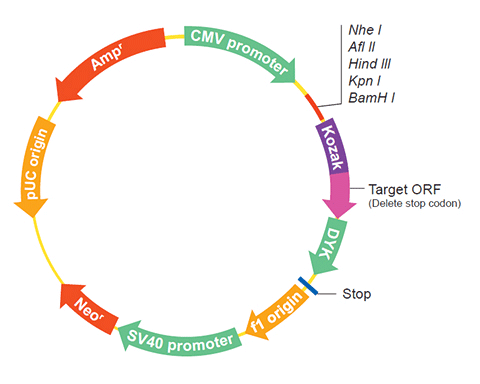 NM_001195644.1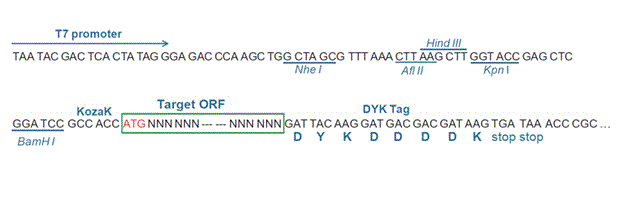
ORF Insert Sequence:
1
61
121
181
241
301
361
421
481
541
601
661
721
781
841
901
961
1021
1081
1141
1201
1261
1321
1381
1441
1501
1561
ATGTCGAAGT CCCACAGTGA AGCCGGGTCT GCCTTCATCC AGACGCAGCA GCTGCACGCA
GCCATGGCGG ACACATTCCT GGAGCACATG TGCCGGCTGG ACATCGACTC CGCGCCCATC
ACGGCCCGCA ACACGGGCAT CATCTGTACC ATCGGCCCTG CCTCCCGATC GGTGGAGACG
CTGAAGGAGA TGATCAAGTC TGGGATGAAC GTGGCGCGCA TGAACTTCTC CCACGGAACT
CACGAGTACC ATGCGGAGAC CATCAAGAAC GTGCGCACAG CCACGGAAAG CTTTGCCTCA
GACCCCATCC TCTACCGGCC CGTCGCGGTG GCTCTGGACA CTAAGGGACC CGAGATCCGA
ACGGGGCTCA TCAAGGGCAG CGGCACGGCG GAGGTGGAGC TGAAGAAGGG AGCCACGCTC
AAGATCACGC TGGACAACGC CTACATGGAG AAGTGCGACG AGAACATCCT GTGGCTGGAC
TACAAGAACA TTTGCAAGGT GGTGGACGTG GGCAGCAAGG TCTACGTGGA CGACGGCCTC
ATCTCCCTGC AGGTGAAGCA GAAAGGTCCT GACTTCCTGG TGACGGAGGT GGAGAACGGT
GGCTTCTTGG GCAGCAAGAA GGGCGTGAAC CTCCCCGGGG CTGCGGTGGA CCTGCCTGCC
GTGTCCGAGA AGGACATCCA GGATCTGAAG TTCGGCGTGG AGCAGGACGT GGACATGGTG
TTTGCCTCTT TCATCCGCAA GGCGGCTGAC GTCCATGAGG TCAGGAAGAT CCTGGGAGAG
AAAGGGAAGA ACATCAAGAT CATCAGCAAA ATTGAGAACC ACGAGGGGGT GCGCAGGTTT
GATGAGATCC TGGAGGCCAG CGACGGGATC ATGGTGGCTC GTGGTGATCT TGGCATTGAG
ATTCCTGCAG AGAAGGTCTT CCTTGCCCAG AAGATGATAA TTGGGCGATG CAACCGTGCT
GGGAAGCCTG TCATCTGTGC CACGCAGATG CTGGAGAGCA TGATCAAGAA GCCCCGCCCC
ACCCGCGCCG AGGGCAGTGA CGTGGCCAAC GCGGTCCTGG ATGGAGCCGA CTGCATCATG
CTGTCTGGAG AGACGGCCAA GGGCGACTAC CCGCTGGAGG CCGTCCGCAT GCAGCACCTG
ATAGCTCGCG AGGCTGAGGC AGCCATGTTC CACCGCAAGC TGTTCGAAGA ACTTGCGCGA
GCCTCCAGTC ACTCCACAGA CCTCATGGAG GCCATGGCCA TGGGCAGCGT GGAGGCTTCC
TATAAGTGTT TAGCGGCAGC TTTGATAGTT CTGACGGAGT CTGGCAGGTC TGCTCACCAA
GTGGCCCGGT ACCGCCCGCG CGCCCCCATC ATTGCCGTGA CACGGAACCA CCAGACCGCC
CGCCAGGCCC ACCTGTACCG TGGGATCTTC CCGGTGGTGT GTAAGGATCC GGTCCAGGAG
GCCTGGGCTG AGGATGTCGA CCTCCGGGTG AACTTGGCCA TGAATGTCGG CAAGGCCCGC
GGTTTCTTCA AGAAGGGAGA TGTGGTCATT GTGCTCACCG GATGGCGCCC TGGCTCTGGC
TTCACCAACA CCATGCGCGT GGTGCCCGTG CCGTGAThe stop codons will be deleted if pcDNA3.1+/C-(K)DYK vector is selected.
CloneID OOb00322 Clone ID Related Accession (Same CDS sequence) NM_001195645.1 Accession Version NM_001195645.1 Latest version! Documents for ORF clone product in default vector Sequence Information ORF Nucleotide Sequence (Length: 1596bp)
Protein sequence
SNPVector pcDNA3.1-C-(k)DYK or customized vector User ManualClone information Clone Map MSDSTag on pcDNA3.1+/C-(K)DYK C terminal DYKDDDDK tags ORF Insert Method CloneEZ™ Seamless cloning technology Insert Structure linear Update Date 1568908800000 Organism Oryctolagus cuniculus(rabbit) Product pyruvate kinase PKM isoform 2 Comment Comment: VALIDATED REFSEQ: This record has undergone validation or preliminary review. The reference sequence was derived from AAGW02071942.1 and AF032389.1. Transcript Variant: This variant (2) uses an alternate in-frame exon in the 3' coding region compared to variant 1. The resulting protein (isoform 2) has a different internal segment but is the same length as isoform 1. Publication Note: This RefSeq record includes a subset of the publications that are available for this gene. Please see the Gene record to access additional publications. ##Evidence-Data-START## Transcript exon combination :: AF032389.1, GBCA01044234.1 [ECO:0000332] RNAseq introns :: mixed/partial sample support SAMEA1876818, SAMEA1876819 [ECO:0000350] ##Evidence-Data-END## ##RefSeq-Attributes-START## gene product(s) localized to mito. :: inferred from homology ##RefSeq-Attributes-END##
1
61
121
181
241
301
361
421
481
541
601
661
721
781
841
901
961
1021
1081
1141
1201
1261
1321
1381
1441
1501
1561
ATGTCGAAGT CCCACAGTGA AGCCGGGTCT GCCTTCATCC AGACGCAGCA GCTGCACGCA
GCCATGGCGG ACACATTCCT GGAGCACATG TGCCGGCTGG ACATCGACTC CGCGCCCATC
ACGGCCCGCA ACACGGGCAT CATCTGTACC ATCGGCCCTG CCTCCCGATC GGTGGAGACG
CTGAAGGAGA TGATCAAGTC TGGGATGAAC GTGGCGCGCA TGAACTTCTC CCACGGAACT
CACGAGTACC ATGCGGAGAC CATCAAGAAC GTGCGCACAG CCACGGAAAG CTTTGCCTCA
GACCCCATCC TCTACCGGCC CGTCGCGGTG GCTCTGGACA CTAAGGGACC CGAGATCCGA
ACGGGGCTCA TCAAGGGCAG CGGCACGGCG GAGGTGGAGC TGAAGAAGGG AGCCACGCTC
AAGATCACGC TGGACAACGC CTACATGGAG AAGTGCGACG AGAACATCCT GTGGCTGGAC
TACAAGAACA TTTGCAAGGT GGTGGACGTG GGCAGCAAGG TCTACGTGGA CGACGGCCTC
ATCTCCCTGC AGGTGAAGCA GAAAGGTCCT GACTTCCTGG TGACGGAGGT GGAGAACGGT
GGCTTCTTGG GCAGCAAGAA GGGCGTGAAC CTCCCCGGGG CTGCGGTGGA CCTGCCTGCC
GTGTCCGAGA AGGACATCCA GGATCTGAAG TTCGGCGTGG AGCAGGACGT GGACATGGTG
TTTGCCTCTT TCATCCGCAA GGCGGCTGAC GTCCATGAGG TCAGGAAGAT CCTGGGAGAG
AAAGGGAAGA ACATCAAGAT CATCAGCAAA ATTGAGAACC ACGAGGGGGT GCGCAGGTTT
GATGAGATCC TGGAGGCCAG CGACGGGATC ATGGTGGCTC GTGGTGATCT TGGCATTGAG
ATTCCTGCAG AGAAGGTCTT CCTTGCCCAG AAGATGATAA TTGGGCGATG CAACCGTGCT
GGGAAGCCTG TCATCTGTGC CACGCAGATG CTGGAGAGCA TGATCAAGAA GCCCCGCCCC
ACCCGCGCCG AGGGCAGTGA CGTGGCCAAC GCGGTCCTGG ATGGAGCCGA CTGCATCATG
CTGTCTGGAG AGACGGCCAA GGGCGACTAC CCGCTGGAGG CCGTCCGCAT GCAGCACCTG
ATTGCCCGTG AGGCAGAGGC TGCCATCTAC CACTTGCAAT TATTTGAGGA GCTCCGCCGC
CTGGCGCCCA TTACCAGCGA CCCCACAGAA GCCGCCGCCG TGGGCGCCGT GGAGGCCTCC
TTCAAGTGCT GCAGTGGGGC CATAATCGTG CTGACCAAGT CTGGCAGGTC TGCTCACCAA
GTGGCCCGGT ACCGCCCGCG CGCCCCCATC ATTGCCGTGA CACGGAACCA CCAGACCGCC
CGCCAGGCCC ACCTGTACCG TGGGATCTTC CCGGTGGTGT GTAAGGATCC GGTCCAGGAG
GCCTGGGCTG AGGATGTCGA CCTCCGGGTG AACTTGGCCA TGAATGTCGG CAAGGCCCGC
GGTTTCTTCA AGAAGGGAGA TGTGGTCATT GTGCTCACCG GATGGCGCCC TGGCTCTGGC
TTCACCAACA CCATGCGCGT GGTGCCCGTG CCGTGAThe stop codons will be deleted if pcDNA3.1+/C-(K)DYK vector is selected.
RefSeq NP_001182574.1 CDS 1..1596 Translation
Target ORF information:
RefSeq Version NM_001195645.1 Organism Oryctolagus cuniculus(rabbit) Definition Oryctolagus cuniculus pyruvate kinase M1/2 (PKM), transcript variant 2, mRNA. Target ORF information:
Epitope DYKDDDDK Bacterial selection AMPR Mammalian selection NeoR Vector pcDNA3.1+/C-(K)DYK NM_001195645.1
ORF Insert Sequence:
1
61
121
181
241
301
361
421
481
541
601
661
721
781
841
901
961
1021
1081
1141
1201
1261
1321
1381
1441
1501
1561
ATGTCGAAGT CCCACAGTGA AGCCGGGTCT GCCTTCATCC AGACGCAGCA GCTGCACGCA
GCCATGGCGG ACACATTCCT GGAGCACATG TGCCGGCTGG ACATCGACTC CGCGCCCATC
ACGGCCCGCA ACACGGGCAT CATCTGTACC ATCGGCCCTG CCTCCCGATC GGTGGAGACG
CTGAAGGAGA TGATCAAGTC TGGGATGAAC GTGGCGCGCA TGAACTTCTC CCACGGAACT
CACGAGTACC ATGCGGAGAC CATCAAGAAC GTGCGCACAG CCACGGAAAG CTTTGCCTCA
GACCCCATCC TCTACCGGCC CGTCGCGGTG GCTCTGGACA CTAAGGGACC CGAGATCCGA
ACGGGGCTCA TCAAGGGCAG CGGCACGGCG GAGGTGGAGC TGAAGAAGGG AGCCACGCTC
AAGATCACGC TGGACAACGC CTACATGGAG AAGTGCGACG AGAACATCCT GTGGCTGGAC
TACAAGAACA TTTGCAAGGT GGTGGACGTG GGCAGCAAGG TCTACGTGGA CGACGGCCTC
ATCTCCCTGC AGGTGAAGCA GAAAGGTCCT GACTTCCTGG TGACGGAGGT GGAGAACGGT
GGCTTCTTGG GCAGCAAGAA GGGCGTGAAC CTCCCCGGGG CTGCGGTGGA CCTGCCTGCC
GTGTCCGAGA AGGACATCCA GGATCTGAAG TTCGGCGTGG AGCAGGACGT GGACATGGTG
TTTGCCTCTT TCATCCGCAA GGCGGCTGAC GTCCATGAGG TCAGGAAGAT CCTGGGAGAG
AAAGGGAAGA ACATCAAGAT CATCAGCAAA ATTGAGAACC ACGAGGGGGT GCGCAGGTTT
GATGAGATCC TGGAGGCCAG CGACGGGATC ATGGTGGCTC GTGGTGATCT TGGCATTGAG
ATTCCTGCAG AGAAGGTCTT CCTTGCCCAG AAGATGATAA TTGGGCGATG CAACCGTGCT
GGGAAGCCTG TCATCTGTGC CACGCAGATG CTGGAGAGCA TGATCAAGAA GCCCCGCCCC
ACCCGCGCCG AGGGCAGTGA CGTGGCCAAC GCGGTCCTGG ATGGAGCCGA CTGCATCATG
CTGTCTGGAG AGACGGCCAA GGGCGACTAC CCGCTGGAGG CCGTCCGCAT GCAGCACCTG
ATTGCCCGTG AGGCAGAGGC TGCCATCTAC CACTTGCAAT TATTTGAGGA GCTCCGCCGC
CTGGCGCCCA TTACCAGCGA CCCCACAGAA GCCGCCGCCG TGGGCGCCGT GGAGGCCTCC
TTCAAGTGCT GCAGTGGGGC CATAATCGTG CTGACCAAGT CTGGCAGGTC TGCTCACCAA
GTGGCCCGGT ACCGCCCGCG CGCCCCCATC ATTGCCGTGA CACGGAACCA CCAGACCGCC
CGCCAGGCCC ACCTGTACCG TGGGATCTTC CCGGTGGTGT GTAAGGATCC GGTCCAGGAG
GCCTGGGCTG AGGATGTCGA CCTCCGGGTG AACTTGGCCA TGAATGTCGG CAAGGCCCGC
GGTTTCTTCA AGAAGGGAGA TGTGGTCATT GTGCTCACCG GATGGCGCCC TGGCTCTGGC
TTCACCAACA CCATGCGCGT GGTGCCCGTG CCGTGAThe stop codons will be deleted if pcDNA3.1+/C-(K)DYK vector is selected.
-
PubMed
[Different properties of pyruvate kinase from rabbit and hare muscles].
Zhurnal evoliutsionnoi biokhimii i fiziologii51(2)103-7(2015 Mar-Apr)
Strumilo S,Tylicki A
The importance of polarity in the evolution of the K+ binding site of pyruvate kinase.
International journal of molecular sciences15(12)22214-26(2014 Dec)
Ramírez-Silva L,Guerrero-Mendiola C,Cabrera N
Identification of regions of rabbit muscle pyruvate kinase important for allosteric regulation by phenylalanine, detected by H/D exchange mass spectrometry.
Biochemistry52(11)1998-2006(2013 Mar)
Prasannan CB,Villar MT,Artigues A,Fenton AW
Distinguishing the chemical moiety of phosphoenolpyruvate that contributes to allostery in muscle pyruvate kinase.
Biochemistry52(1)1-3(2013 Jan)
Urness JM,Clapp KM,Timmons JC,Bai X,Chandrasoma N,Buszek KR,Fenton AW
Effects of ions on ligand binding to pyruvate kinase: mapping the binding site with infrared spectroscopy.
The journal of physical chemistry. B115(20)6784-9(2011 May)
Kumar S,Barth A
-
-
Most Popular Services
-
Services & Products
-
News & Blogs
- New Technology Paired with NGS, Paves the Way for Novel Therapeutic Antibodies
- Tackling Tumor Relapse with More Sensitive Engineered T Cells
- Microprotein plays key role in modulating UPR in response to ER stress
- Scientists Have Identified a New Therapy Target that Has Big Implications in the Fight Against Cancer
- Top 3 Advantages of Precision Mutant Libraries for Protein Engineering
- From “Cold” to “Hot” Tumors with Masked Interleukin-12
- As a Gene Cell therapy deliver, mRNA is a more efficient coding language.
- FDA Authorized GenScript's cPass™ Kit
-
-
-
PubMed
-


